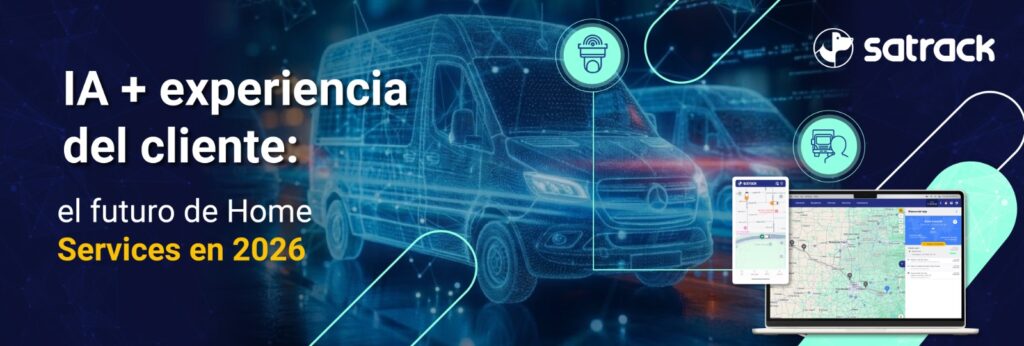
«Para el 2026, los negocios de Home Services que ganarán no serán los más grandes… serán los que ofrezcan la mejor experiencia al cliente apoyada en tecnología inteligente.»
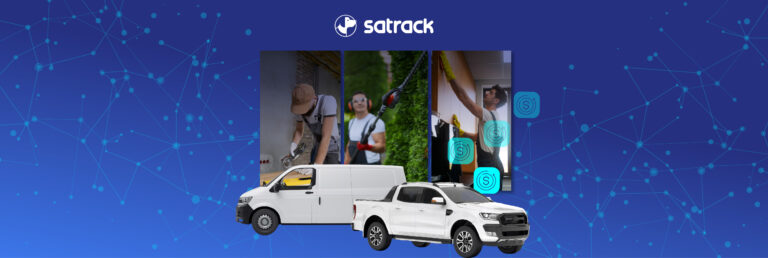
La industria de Home Services: HVAC, plomería, eléctricos, roofing y jardinería… está entrando en la etapa de transformación más grande de su historia.
La demanda crece, los costos aumentan, los técnicos son escasos y los clientes esperan velocidad, transparencia y atención personalizada.
2026 será el año donde la tecnología y la experiencia del cliente se convierten en el verdadero diferenciador competitivo.
Las compañías que adopten IA, IoT y automatización no solo serán más eficientes:
se convertirán en las favoritas de los clientes, aumentarán la retención, cerrarán más servicios y lograrán ingresos recurrentes.
Estas son las tendencias clave que redefinirán el mercado.
- La IA redefinirá la experiencia del cliente: más velocidad, precisión y transparencia
Hasta ahora, la experiencia del cliente dependía del técnico.
En 2026, dependerá de la tecnología.
La IA permitirá:
✔ Agendamientos inteligentes según disponibilidad real, distancia y tipo de servicio
✔ Diagnósticos remotos antes de enviar al técnico
✔ Actualizaciones automáticas al cliente sobre llegada, estado del trabajo y recomendaciones
✔ Estimaciones de costo más precisas gracias a machine learning
Esto crea una experiencia mucho más:
Y, sobre todo, reduce el estrés del cliente.
- IoThará que los sistemas “hablen por sí mismos”
El Internet de las Cosas dejará de ser “tecnología del futuro”.
En 2026, HVAC, plomería y sistemas eléctricos estarán conectados a:
- recordatorios automáticos
Esto permitirá:
✔ Mantenimiento preventivo real, no reactivo
✔ Servicios antes de que haya un problema
✔ Mejor fidelización (el cliente siente que lo cuidan)
✔ Oportunidades de ingresos recurrentes
- Operaciones completamente digitales (la muerte del papel y las llamadas confusas)
El 2026 será el año en el que todo se gestionará digitalmente:
- Fotos y evidencia del servicio
Esto permitirá:
✔ Menos errores
✔ Más eficiencia por técnico
✔ Información accesible 24/7
✔ Mejor comunicación interna
✔ Datos más precisos para tomar decisiones
- Modelos de suscripción: el nuevo “ingreso seguro” para las empresas
Los clientes ya no quieren esperar a que algo falle.
Quieren mantenimiento preventivo, comodidad y cero sorpresas:
✔ ingresos estables
✔ clientes fieles
✔ menos urgencias costosas
✔ mejor planificación
Beneficios para el cliente:
✔ menos fallas
✔ pagos predecibles
✔ atención prioritaria
- Personalizaciónhipersegmentada: cada cliente recibirá lo que realmente necesita
Gracias a analítica avanzada, las empresas podrán:
- Predecir cuándo un usuario necesitará mantenimiento
- Recomendar upgrades exactos
- Personalizar recordatorios
- Ajustar promociones según el historial
- Ofrecer opciones basadas en el tipo de hogar, clima y uso
2026 es el año en que Home Services se vuelve tan personalizado como Netflix.
Y eso aumenta la conversión, retención y referidos.
- Pagos digitales, servicios “touchless” y comunicaciónomnicanal
El cliente ya no tolera:
✘ llamadas interminables
✘ confusión en precios
✘ técnicos sin aviso
✘ procesos lentos
2026 lo sustituye con:
✔ Pagos digitales rápidos
✔ Confirmaciones automáticas
✔ Comunicación por app, chat, email o redes
✔ Seguimiento del técnico en tiempo real
✔ Informes digitales del servicio
Esto crea una experiencia moderna, sin fricción y más confiable.
La tecnología hará que la experiencia del cliente sea el verdadero diferenciador en 2026
Las empresas que adopten IA, IoT, automatización y modelos de suscripción no solo operarán mejor:
serán las preferidas por los clientes, tendrán mejor reputación y crearán negocios más escalables.
2026 no será un año para competir por precio.
Será un año para competir por experiencia.
- Control total del vehículo y del técnico: la nueva base operativa para 2026
Una tendencia clave para 2026 en Home Services será la necesidad de controlar no solo el servicio, sino todo lo que ocurre en campo:
el vehículo, el técnico, los tiempos, los costos y la seguridad.
Las empresas ya no pueden operar “a ciegas”.
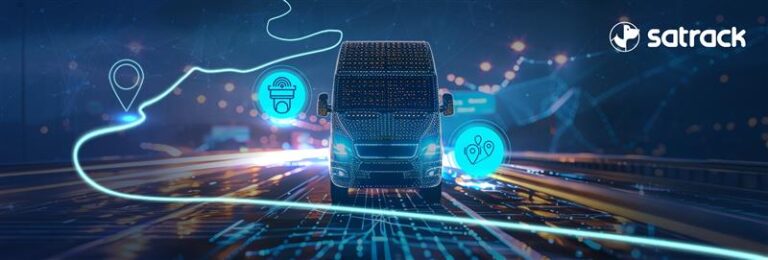
Por eso, herramientas como las de Satrack se vuelven esenciales para competir:
Control del vehículo (optimización y seguridad)
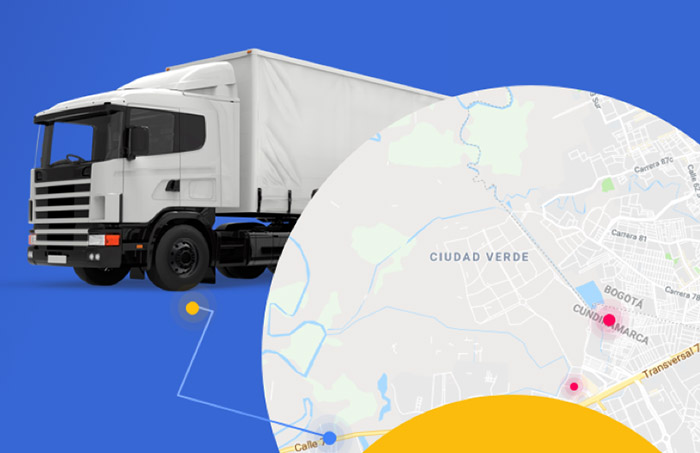
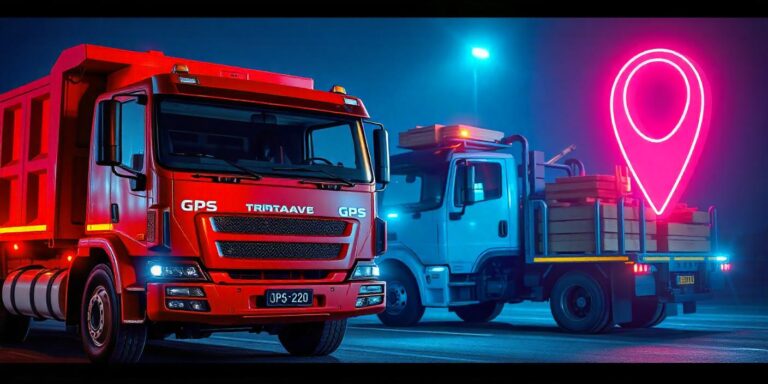
✔ GPS en tiempo real para saber dónde están los técnicos
✔ Control de zonas y horarios para evitar usos no autorizados
✔ Alertas de conducción riesgosa (frenadas bruscas, exceso de velocidad, distracciones)
✔ Evidencia inmediata ante reclamos o incidentes
Esto reduce costos, protege activos y garantiza que cada técnico use el vehículo correctamente.
Control del técnico y su productividad
✔ Tiempos entre servicios
✔ Llegadas tarde o fuera de ruta
✔ Uso real del tiempo en campo
✔ Cumplimiento de citas
✔ Registro automático de cada visita
Las empresas pueden identificar fácilmente:
• quién es más productivo,
• quién necesita entrenamiento,
• dónde se están perdiendo horas,
• y cómo mejorar la operación del día a día.
Por qué esto es tendencia en 2026
La falta de técnicos y el aumento en la demanda obligan a las empresas a operar con máxima eficiencia.
Los negocios que controlan su flota y su personal:
- atienden más citas por día,
- reducen costos innecesarios,
- mejoran la experiencia del cliente,
- y escalan de forma más rentable.
En 2026, controlar el vehículo y al técnico no será un lujo… será un estándar.
Y aquí es donde Satrack se convierte en un pilar clave dentro del ecosistema tecnológico de Home Services.