“In 2026, fleets operating with smart technology won’t just save fuel — they will run faster, safer, and more profitably than any traditional competitor.”
The transportation sector is experiencing one of the fastest and most profound transformations in its history.
Environmental regulations, fuel prices, insurance pressure, and a driver shortage are pushing fleets to accelerate their digital transformation.
By 2026, the most competitive fleets will be those that combine sustainability, automation, and operational efficiency.
It will no longer be enough to simply “have trucks on the road.”
Fleets will need to:
✔ Reduce emissions
✔ Save fuel
✔ Digitize routing
✔ Prevent incidents
✔ Optimize loads
✔ Meet new regulations
Here are the key trends shaping the road to 2026:
- Advanced Automation: From Routing to Road Safety
2026 will be the year automation stops being futuristic and becomes the industry standard.
Fleets will use:
- Smart routes thateliminateempty miles
• Automatic load assignment
• Real-time fuel optimization
• Automated HOS audits
• Automatic driver coaching
• AI-based risk detection (phone use, fatigue, distraction, speeding)
- CO₂ Pricing in the European Union: A New Global Challenge
Environmental regulations are reshaping international transport.
Beginning in 2026, fleets will need to:
- Measure their carbon footprint
• Log emissions per trip
• Optimize routes to reduce impact
• Demonstrate environmental compliance in contracts
• Modernize trucks that no longer meet emissions standards
- Full Digitalization: The New Fleet Operations Brain
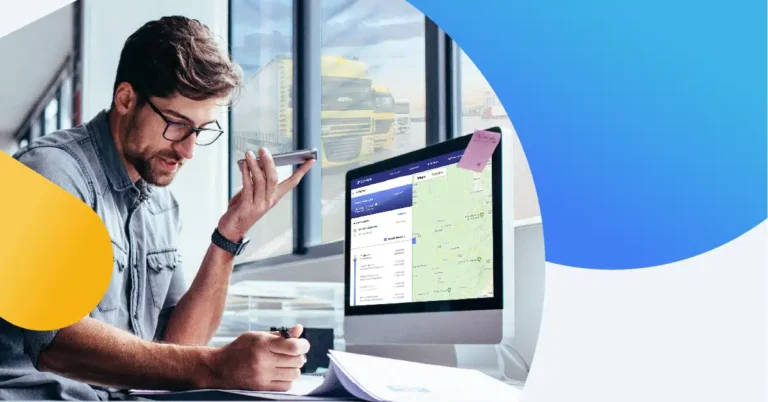
2026 will mark the rise of the Digital Control Center.
Fleets will integrate:
- Smart GPS
• AI-powered cameras
• Predictive maintenance
• Cloud-based routing and load management
• HOS and credentials
• Fully digital documentation
• Automated billing
• Digital twins to simulate operations
One single platform for the entire operation.
No spreadsheets.
No dozens of disconnected apps.
- Alternative Fuels and Digital Twins: Efficiency Before Execution
For fleets not yet transitioning to electric vehicles, 2026 will offer cleaner alternatives.
But the real transformation will come from the adoption of digital twins — full simulations of routes, weather, loads, and timing before running the trip.
This enables:
✔ Predicting real trip cost
✔ Fuel optimization
✔ Reduced wear and tear
✔ Risk avoidance
- Smart Safety: Fewer Accidents, Lower Insurance, More Control
Safety will become fully automated.
Fleets will rely on:
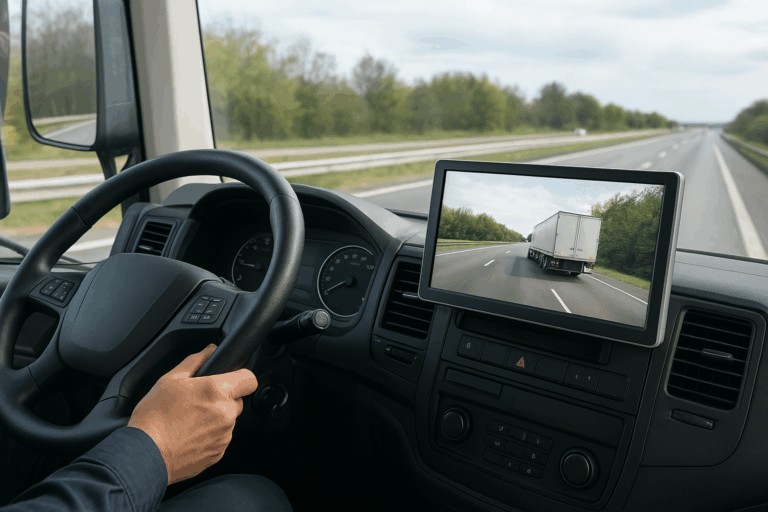
AI Dash Cameras that detect:
- Distraction
• Fatigue
• Phone use
• Unsafe following distance
• Harsh events
ADAS systems including:
- Automatic braking
• Lane-keeping assistance
• Intelligent speed reduction
Driver apps for:
- Digital inspections
• Credentials
• Pre-trip checklists
2026 Will Be the Year Efficiency Defines the Winners
Fleets adopting electrification, automation, alternative fuels, and full digitalization will be:
✔ More profitable
✔ Safer
✔ More sustainable
✔ More competitive
Those that don’t simply won’t be able to keep up with the market.