Winter brings more than just cold weather. For owners of small and mid-sized transportation or service businesses – such as landscaping, plumbing, or roofing—it also brings delays, hazardous roads, and the risk that one wrong decision could cost thousands of dollars.
Picture this: it’s Monday, 6:45 a.m., heavy snow starts falling, and your top technician hasn’t arrived at their first job. The phone starts ringing. The customer is frustrated. You don’t know if the truck is stuck, rerouted, or if there’s been an accident. In winter, risk is real and constant.
Winter Risks for Small Fleet Businesses
Whether you operate in a large city or a rural area, winter driving is challenging. And when your revenue depends on technicians arriving safely and on time, every detail matters.
- Delays: Snow, ice, and traffic disrupt routes, leading to unhappy customers and lost jobs.
- Accidents: One poorly handled turn can send a vehicle into a ditch or cause serious damage.
- Hidden costs: Insurance deductibles, repairs, idle technicians, and reputational damage.
- Legal liability: Accidents involving third parties can turn into major financial issues without clear evidence of what happened.
Winter Driving Best Practices for Small Fleets
- Wintervehiclechecklist:
- Battery in good condition
- Adequate antifreeze levels
- Functional wipers and lights
- Working heating and defrosting systems
- Basic driver training for technicians:
- Maintain safe following distances
- Brake early and gradually
- Know how to respond if the vehicle skids
- Understand what to do in case of an accident or breakdown
- Emergency kit in every vehicle:
- Flashlights and thermal blankets
- Small shovels, salt, or sand
- Phone chargers or emergency radios
- Contingency plans and clear communication:
- Establish protocols for blocked routes or delays , including when to stop or return .
- Create standard customer messages to communicate weather-related delays while maintaining trust.
- Assign someone to monitor weather forecasts daily and notify drivers.
- Keep an updated list of alternative routes and high-risk areas.
Technology as an Ally: GPS and AI-Powered Cameras
Many business owners believe these solutions are “only for large companies.” Today, technology is affordable—and an investment that pays for itself.
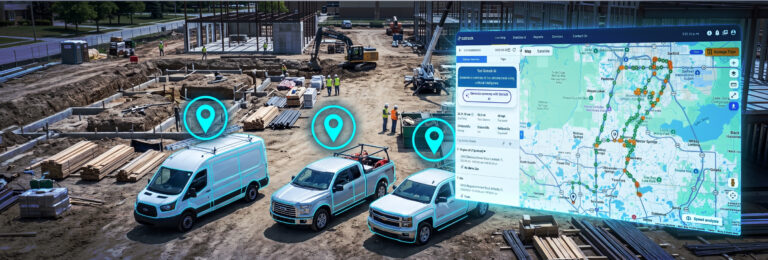
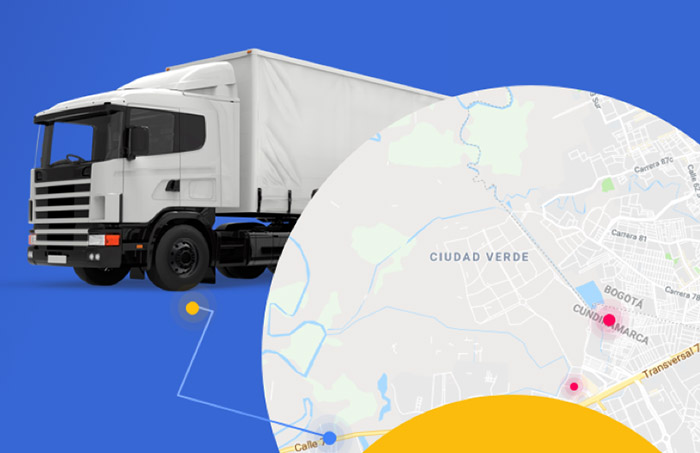
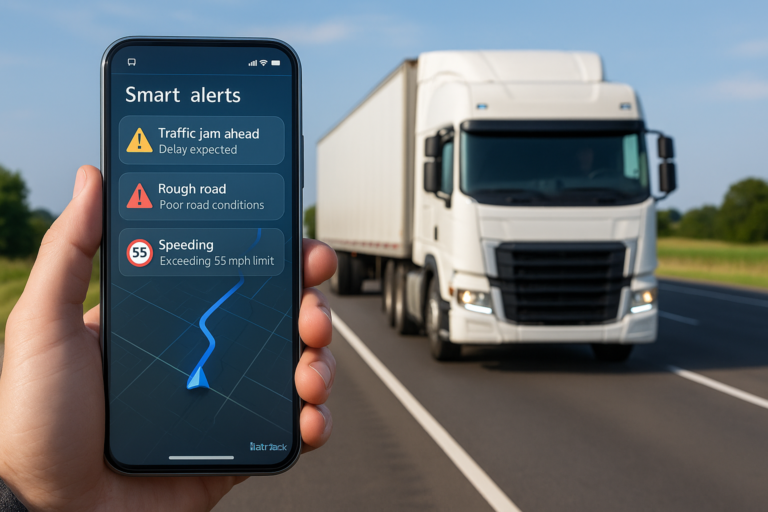
- Real-time GPS tracking: Know exactly where each vehicle is. Anticipate delays or incidents and proactively inform customers.
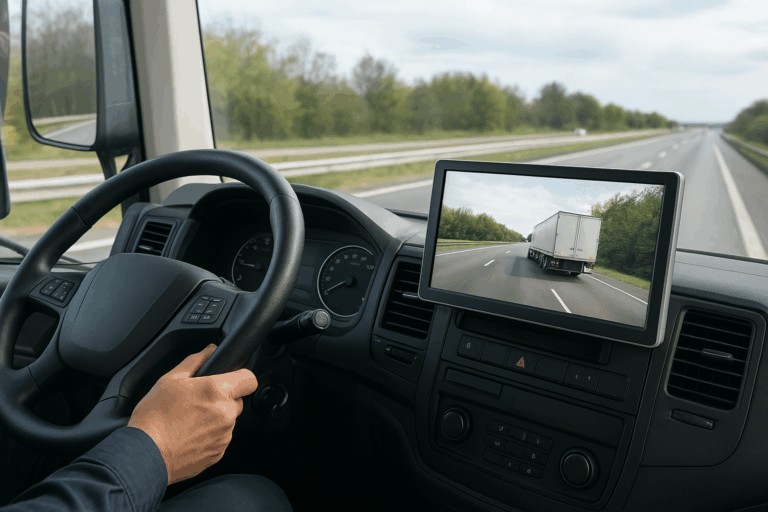
- AI-powered dash cams: Receive alerts for aggressive driving, speeding, or harsh braking on icy roads. If an accident occurs, you have video evidence.
- Automated reports: Identify risky driving habits and correct them before they become costly problems.
- Route history: Evaluate which routes perform best based on real conditions, not just generic maps.