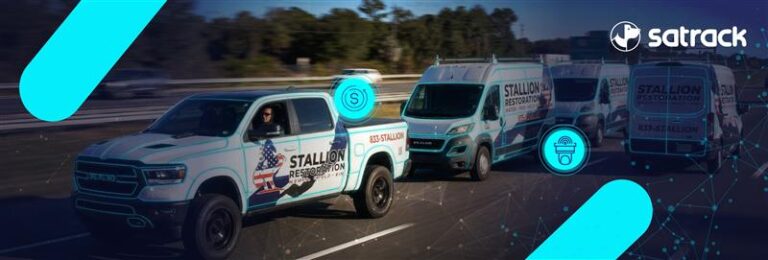
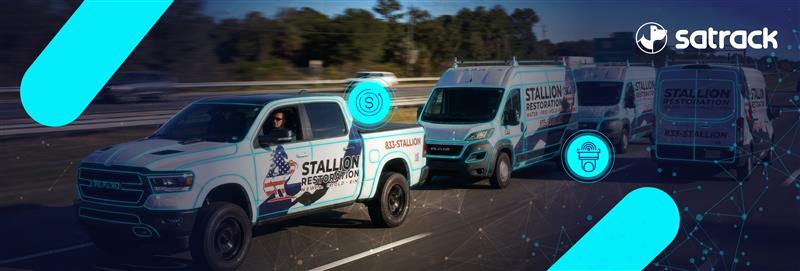
Imagine having nine vehicles on the road and not knowing exactly where any of them are.
This isn’t a hypothetical situation. It’s exactly what Luis López, Operations Manager at Stallion Restoration a property restoration company specializing in water damage emergencies was dealing with. In an industry where arriving late can cost you a contract, López relied on a tool many managers know all too well: instinct.
“The biggest challenge was making sure technicians arrived on time. Without visibility, we couldn’t improve,” he recalls.
If you manage vehicles as a business owner or operations leader, you probably recognize that pressure. The good news? There’s a solution—and in this article, we’ll show you exactly how it works.
The Problem Has a Name: Operational Blindness
Before implementing a vehicle GPS tracking solution, Stallion Restoration faced three challenges common to most fleet-based businesses:
Uncontrolled punctuality. Technicians would leave, arrive (or not) on time, and there was no objective way to measure it. When a customer complained, there was no data to understand what went wrong or how to prevent it next time.
“Disappearing” vehicles. When a tow truck picked up one of their units, management simply lost track of it. Without satellite tracking, locating the vehicle depended on calls, assumptions, and wasted time.
Decisions without data. Without real metrics, it was impossible to identify inefficient routes, evaluate technician performance, or understand where hours were being lost each week.
This is what’s known as reactive fleet management: you only act after something goes wrong. And in industries where response time defines your reputation, that approach comes at a high cost.
What Changes with Real-Time Vehicle Monitoring?
Implementing Satrack’s GPS platform wasn’t just about installing a device. It was about building a complete operational control system that transformed how López and his team make decisions every day.
Here’s how it works in practice:
Real-Time Visibility: Know Without Asking
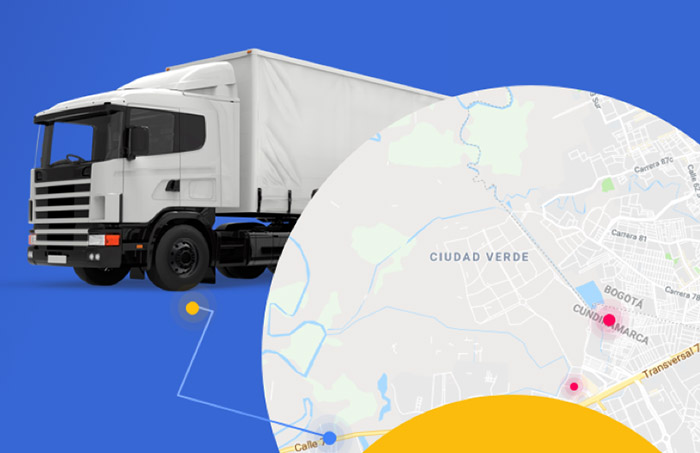
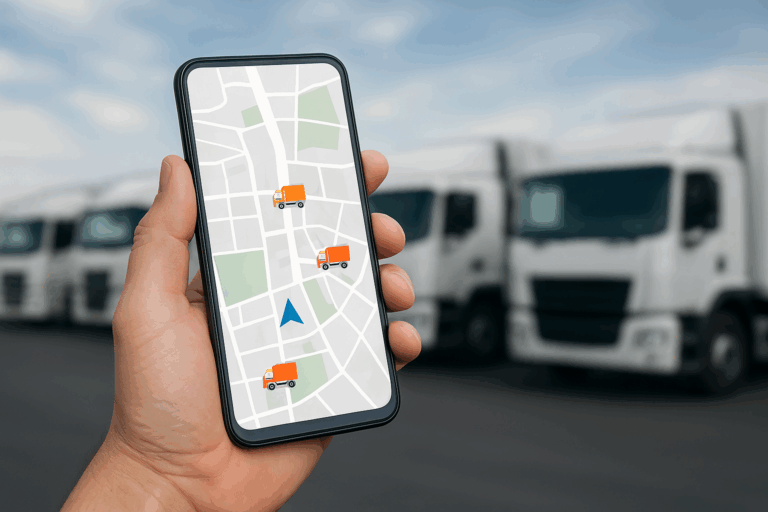
With Satrack, López can see exactly where each of his nine vehicles is at any moment, how fast they’re going, and how long they’ve been there.
No more calling drivers.
No more end-of-day reports.
Geofencing: Automatic Alerts When It Matters Most
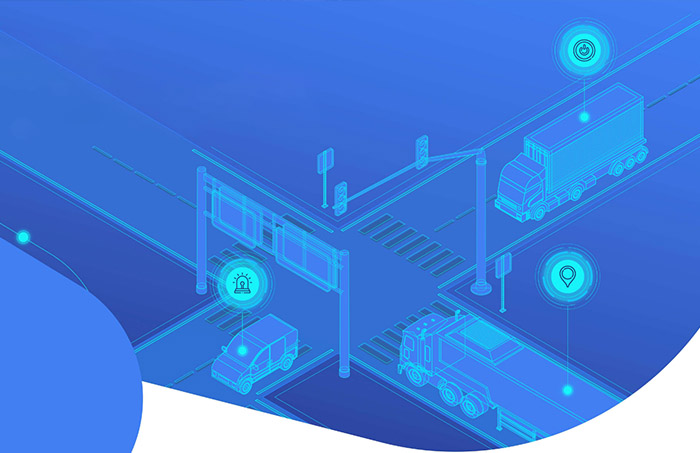
Geofences are virtual zones set on a map. When a vehicle enters or exits one of these zones, Satrack sends an automatic alert.
This allows the team to know exactly when a technician arrives at a job site and how long they stay without relying on manual reporting.
Control is no longer a conversation. It’s data.
Instant Alerts: Respond Before Problems Escalate
When a tow truck picked up one of their vehicles, López no longer lost track of it.
Satrack sent an instant alert in real time, and operations continued without disruption.
“The ability to receive real-time notifications allows us to respond immediately to unexpected situations,” López explains. “Before, it created chaos. Now, it’s just another data point.”
Productivity Reports: From Intuition to Data
Vehicle telemetry automatically records service times, mileage, and operating hours.
This enables route optimization and transforms weeks of unclear operations into actionable insights.
For a manager, that means control.
For an owner, it means profitability and cost reduction.
Safer Driving and Fleet Protection
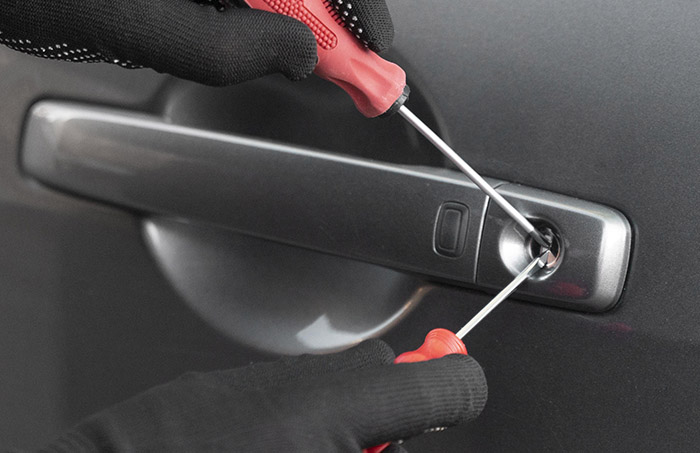
Driving behavior monitoring detects speeding and harsh braking.
With Satrack, every vehicle is protected—not just from theft, but from wear and tear caused by poor driving habits.
It’s a proactive approach to fleet safety that protects your investment from the inside out.
The Result: Efficiency You Can Feel and Measure
Today, Stallion Restoration doesn’t operate on intuition—it operates on data:
- Improved punctuality: By measuring real arrival times, the company identified weaknesses and corrected them. Customers notice the difference.
- Protected assets: Satellite tracking acts as a theft deterrent and allows for quick recovery of vehicles.
- Data-driven operations: Every decision is backed by objective information, not assumptions.
“This technology is no longer a luxury it’s essential,” concludes Luis López.
What You Don’t Measure, You Can’t Improve
Total control isn’t exclusive to large corporations.
With the right technology, a company with nine vehicles can operate with the same precision as a much larger organization.
The question isn’t whether you can implement GPS tracking.
The real question is: How much is it already costing you not to have it
in time, in customers, and in missed opportunities that won’t come back?