Artificial intelligence in fleet management is transforming traditional GPS tracking into a strategic business tool.
Today, it’s not just about seeing a vehicle on a map.
It’s about using AI-powered GPS tracking to analyze data, detect risks, and make smarter operational decisions.
Where Is My Vehicle Right Now?
An AI-powered GPS system provides:
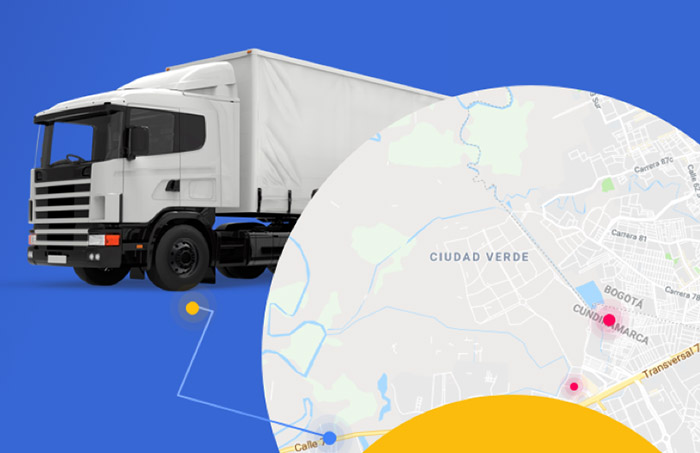
- Real-time vehicle location
- Notifications for unauthorized deviations
With Satrack’s real-time vehicle monitoring, you gain instant visibility from any device, anytime.
What Were the Actual Operating Hours?
Modern AI-driven fleet management software automatically records:
- Engine start and stop times
- Total daily operating hours
- Automated vehicle reports
Artificial intelligence prioritizes critical insights, helping you spot inconsistencies without manually reviewing every record.
How Long Did the Vehicle Stay at Each Location?
Through intelligent route analytics, you can measure:
- Exact time spent at each stop
- Idle or unproductive time
This data helps improve route efficiency and operational performance.
Where Has My Vehicle Been?
Advanced intelligent tracking technology shows:
- Streets and routes traveled
With Satrack’s fleet management system, your data is structured and ready for analysis when you need it.
Real Case Example
Before implementing AI-powered GPS, Darien Marrero, Electrical Services relied on manual records and assumptions.
He lacked clear visibility into vehicle locations and actual working hours.
After adopting an AI-powered fleet tracking solution, he now:
- Monitors vehicles in real time
- Tracks accurate operating hours
- Makes decisions based on reliable data
Why Integrate Artificial Intelligence into Your GPS?
AI-powered fleet tracking enables you to:
- Detect inefficient patterns
- Generate proactive alerts
The real value isn’t just tracking vehicles.
It’s understanding how your fleet is being used — and optimizing it intelligently.