Running a construction company in Texas means managing more than blueprints and deadlines. It means keeping track of excavators, skid steers, trailers, and trucks scattered across job sites that can be hundreds of miles apart. And every year, a meaningful share of that equipment either disappears, sits idle burning fuel, or breaks down at the worst possible moment.
Texas has consistently ranked among the states with the highest reported losses from construction equipment theft, according to industry organizations such as the National Equipment Register (NER) and the National Insurance Crime Bureau (NICB). These are industry-reported estimates, not audited figures for every company, but the pattern is consistent enough that most contractors in the state have a theft story of their own, or know someone who does.
The Real Cost of Running a Construction Fleet in Texas
Beyond theft, the day-to-day cost of operating a construction fleet adds up in less visible ways: diesel burned while equipment idles between tasks, wear on machines that get used after hours without authorization, and the labor cost of a supervisor driving between job sites just to check whether a piece of equipment showed up. None of these show up as a single line item on a budget, but together they quietly erode margins on every project.
The Biggest Pain Points Construction Companies Face
Equipment Theft on Remote Jobsites
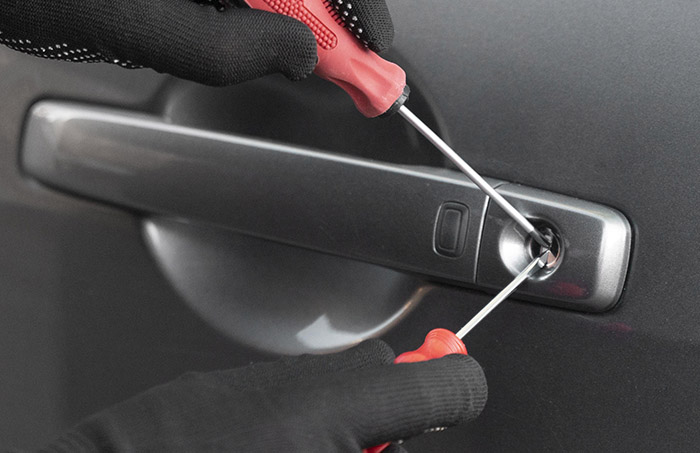
Construction sites are, by nature, exposed. Equipment often sits overnight or over a weekend in a lot with limited lighting, no fencing, or a fence that’s easy to cut through. Heavy equipment is also easy to resell or move across state lines, which makes recovery difficult once it’s gone. For a contractor, one stolen excavator can mean a delayed project, a spike in insurance premiums, and weeks of paperwork.
Unauthorized Use After Hours
It’s not always theft — sometimes it’s a truck or piece of machinery being used for a personal job on a weekend, or a subcontractor’s crew running equipment outside the hours they were authorized for. This adds unplanned wear, unaccounted fuel costs, and, if something goes wrong while the equipment is being used off the books, potential liability for the company.
Fuel Waste From Idle Time
Diesel-powered equipment left running while waiting for materials, permits, or the next task is one of the most common, and most avoidable, sources of waste on a job site. Idle time doesn’t move a project forward, but it does burn fuel and add engine hours that bring routine maintenance closer.
Poor Visibility Across Multiple Jobsites
Texas is big enough that a single company can have active projects in Houston, San Antonio, and the Panhandle at the same time. Without a centralized way to see where every truck, trailer, and machine is, fleet managers end up relying on phone calls and guesswork to know whether equipment is where it’s supposed to be.
Unplanned Maintenance and Downtime
Heavy equipment that isn’t tracked by engine hours tends to get serviced reactively — after something breaks — instead of on a predictable schedule. A breakdown in the middle of a pour or a grading job doesn’t just cost the repair; it costs the delay to the entire project timeline.
How Satrack Solves Each of These Problems
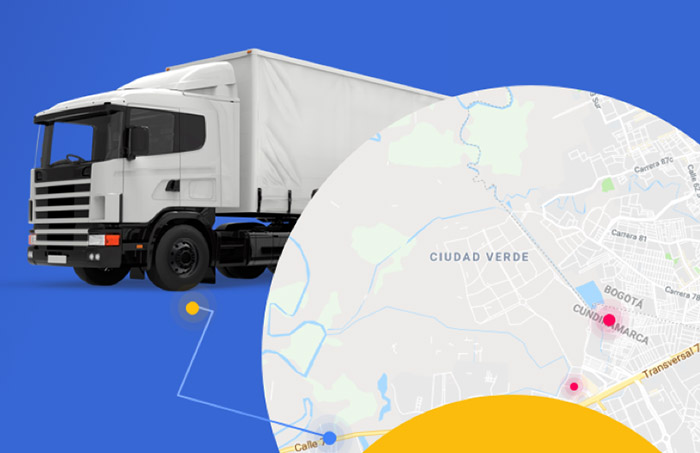
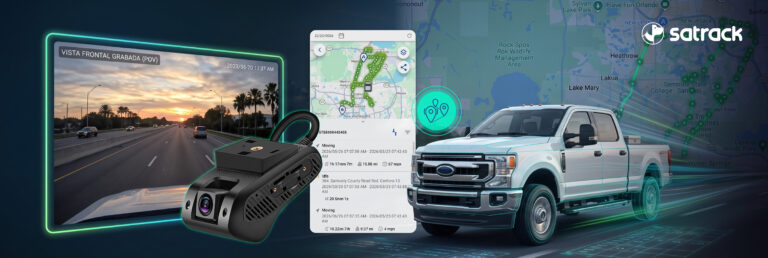
Satrack’s GPS tracking platform gives construction companies real-time visibility over every vehicle and piece of equipment in the fleet, along with the tools to act on what that visibility shows:
• Real-time location and geofencing: set virtual boundaries around a job site and get an alert the moment a piece of equipment leaves it whether that’s a theft in progress or an unauthorized trip.
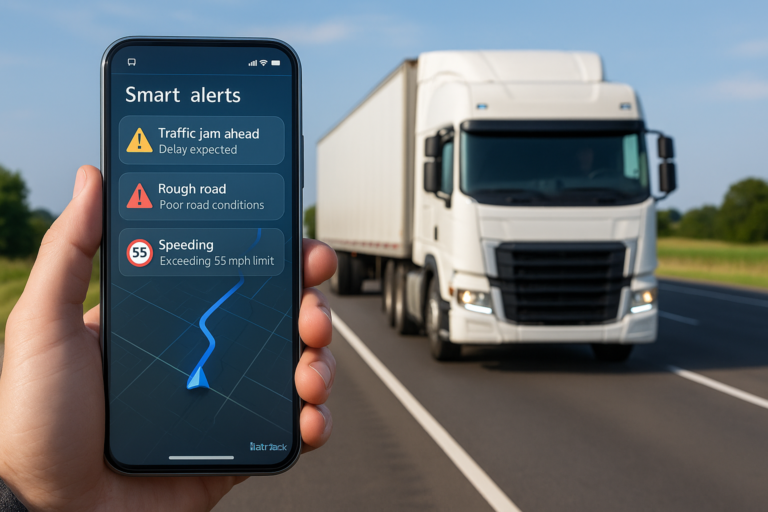
• After-hours movement alerts: know immediately if a truck or machine starts moving outside its scheduled work hours.
• Idle time and fuel reports: see exactly how much fuel is being burned while equipment sits idle, broken down by asset and by job site.
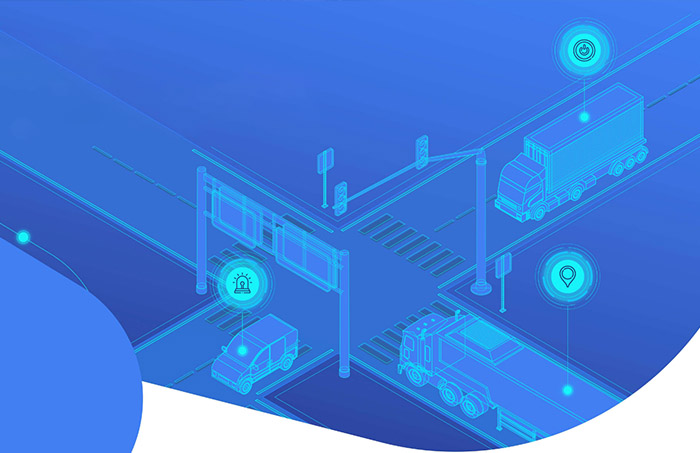
• Centralized multi-site dashboard: view every asset across every active project from one screen, instead of calling site supervisors for updates.
• Maintenance alerts based on engine hours: get notified before a machine is due for service, so repairs happen on a schedule instead of in an emergency.
• Historical playback: pull up exactly where a piece of equipment was at any point in time — useful for insurance claims, theft recovery, and resolving disputes with subcontractors.
What to Look for in a GPS System for Construction Equipment
Not every GPS tracker built for over-the-road trucking holds up on a construction site. Contractors should look for devices built to handle dust, vibration, and rough handling; battery-powered options for equipment without a constant power source, like generators and trailers; simple installation that doesn’t require a technician visit; and reporting that’s easy for a site supervisor to check from a phone, not just from an office computer.
Is GPS Tracking Worth It for a Texas Construction Company?
For a company running even a handful of trucks and machines across Texas job sites, the math tends to work in favor of GPS tracking: one prevented theft, one avoided breakdown, or a few months of reduced idle-time fuel waste can cover the cost of the system many times over. Beyond the direct savings, it gives owners and fleet managers something harder to put a number on the ability to know, at any moment, where every asset is and whether it’s being used the way it’s supposed to be.
Satrack works with construction companies across Texas to put that visibility in place, with hardware built for jobsite conditions and reporting built for how construction fleets actually operate.
Frequently Asked Questions
How does GPS tracking prevent construction equipment theft?
GPS tracking allows fleet managers to set geofences around a job site or storage yard. If a tracked machine or vehicle leaves that boundary outside of authorized hours, the system sends an immediate alert, which allows the company to notify authorities and, in many cases, recover the equipment before it’s moved far or resold.
Can GPS tracking work on equipment without an engine, like trailers or generators?
Yes. Battery-powered GPS trackers are designed specifically for non-powered assets such as trailers, generators, and portable equipment, allowing companies to monitor items that don’t have their own ignition or power source.
How much does GPS tracking cost for a construction fleet?
Cost varies depending on the number of assets, the type of hardware needed (powered vs. battery-operated devices), and the reporting features included. Satrack can provide a quote based on the specific size and makeup of a company’s fleet.
What is geofencing and how does it help construction companies?
Geofencing lets a company draw a virtual boundary around a job site, yard, or route on a map. If a tracked vehicle or piece of equipment crosses that boundary, the system automatically sends an alert, which helps catch unauthorized use or theft as it happens instead of after the fact.
Can GPS tracking help reduce insurance costs for construction equipment?
Many insurers offer reduced premiums or better terms for companies that can demonstrate active theft-prevention and recovery measures, since tracked equipment is statistically more likely to be recovered. Contractors should confirm specific discounts directly with their insurance provider.