California is the largest trucking market in the United States, and one of the most demanding. Between chronic congestion, diesel prices that consistently run above the national average, and some of the strictest environmental regulations in the country, every mile your fleet runs in California costs more than it should.
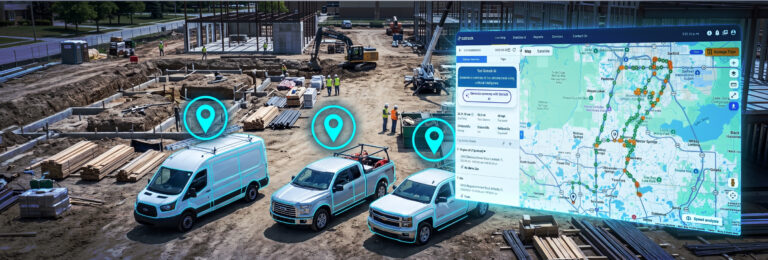
Real-time GPS fleet tracking for California trucking doesn’t just tell you where your trucks are. For fleets operating in this state, it’s one of the few tools that directly attacks the four biggest fuel drains in this market. Here’s how it works in practice, and what it means for your bottom line.
Why California Is the Toughest Market for Fleet Efficiency
No other state combines the operational pressures California does. The I-5 corridor from Los Angeles to Sacramento moves more freight than almost any route in the country, and it’s also one of the most congested. The Inland Empire, the Central Valley, and the Bay Area all generate demand spikes that turn predictable routes into unpredictable fuel drains.
On top of that, California Air Resources Board (CARB) regulations impose strict idling limits and emissions standards with real financial penalties. And unlike Texas, where a detour might add 30 miles of open highway, a California detour often just trades one type of congestion for another.
That’s why GPS fleet tracking for California trucking isn’t about finding shortcuts. It’s about making every mile count.
The 4 Ways GPS Reduces Fuel Costs on California Fleet Corridors
Real-Time Congestion Rerouting
California freeways don’t just have rush hours, they have rush half-days. A GPS system using live traffic data can reroute drivers around bottlenecks on the I-405, the I-10, or Highway 99 before they enter them, saving significant time on high-demand corridors and cutting the fuel burned sitting in stop-and-go traffic. In a market where idling is both costly and regulated, avoidance always beats waiting.
Driver Behavior Monitoring
Aggressive driving costs more in California than almost anywhere else, because the stop-and-go nature of congested corridors amplifies every bad habit. Hard braking and rapid acceleration in traffic can push fuel consumption significantly higher on those segments. GPS behavior reports identify which drivers are burning excess fuel and give managers the data to coach them specifically, not generically.
Idle Time Reduction
California’s CARB regulations cap diesel truck idling at 5 minutes in most situations, with fines per violation. Beyond compliance, every unnecessary idle hour burns diesel that adds up across the fleet over the course of a year often hundreds of gallons per truck. GPS idle alerts help fleets stay within legal limits while eliminating that hidden waste.
Smarter Fuel Stop Planning
Diesel prices across California vary significantly by region. GPS systems with integrated fuel pricing data suggest the best fill-up points along the planned route, so drivers aren’t making price decisions on the fly based on whatever sign they see first. On long runs like LA to Sacramento, that planning adds up trip after trip.
The California Compliance Factor
Most GPS conversations focus on fuel savings. In California, there’s a second financial argument: regulatory compliance. CARB idling violations, hours-of-service infractions, and restricted zone entries all carry fines that stack up fast. A GPS system that logs idle time, tracks hours of service automatically, and alerts managers to restricted zone entries isn’t just reducing fuel costs on California fleet corridor, it’s protecting the operation from regulatory exposure that California enforces more aggressively than any other state.
Is GPS Worth It in a State This Expensive to Operate In?
Precisely because California is expensive, the return on GPS fleet tracking is faster here than almost anywhere else. Higher diesel prices mean every percentage point of fuel savings is worth more. Stricter regulations mean compliance tools pay for themselves independently. And tighter margins mean there’s no room to absorb the inefficiency that GPS eliminates.
The question isn’t whether a California trucking fleet can afford GPS tracking. It’s whether it can afford to operate without it.
Satrack works with trucking fleets across California’s most demanding corridors. Talk to our team to see what real-time GPS fleet tracking would look like for your specific routes and fleet size.
Frequently Asked Questions
How much can a trucking fleet save on fuel with GPS tracking in California?
California fleets using real-time GPS typically see meaningful fuel cost reductions within the first quarter. With diesel prices among the highest in the country, those savings compound faster than in other states.
Does GPS tracking help with California’s CARB idling regulations?
Yes. GPS systems with idle monitoring alert drivers and managers when a truck is approaching the CARB limit, helping fleets stay compliant and avoid fines. For fleets running multiple trucks daily, this protection pays for itself independently of any fuel savings.
Is GPS fleet tracking worth it for smaller California fleets?
Yes — especially in California, where operating costs run above the national average. A smaller operation has less buffer to absorb inefficiency. The return on investment timeline is the same or faster than for larger fleets, because GPS cost-per-truck is proportional while fuel savings are driven by behavior and route quality, not fleet size.
Can GPS help fleets dealing with port congestion in LA and Long Beach?
Directly, yes. GPS systems with real-time traffic integration can identify congestion around the Port of Los Angeles and Port of Long Beach, suggest alternative staging areas or timing adjustments, and log wait times for dispatch optimization. For fleets running regular port routes, that visibility alone can recover hours per week per truck.