


“By 2026, the Home Services businesses that succeed won’t be the biggest… they’ll be the ones delivering the best customer experience powered by smart technology.”
The Home Services industry—HVAC, plumbing, electrical, roofing, and landscaping—is entering the largest transformation in its history.
Demand is rising, costs are increasing, technicians are scarce, and customers expect speed, transparency, and personalized attention.
2026 will be the year where technology and customer experience become the true competitive differentiators.
Companies that adopt AI, IoT, and automation won’t just be more efficient—
they’ll become customer favorites, increase retention, close more jobs, and unlock recurring revenue.
These are the key trends redefining the market:
1. AI Will Redefine Customer Experience: More Speed, Accuracy, and Transparency
Until now, customer experience depended on the technician.
In 2026, it will depend on technology.
AI will enable:
✔ Smart scheduling based on real availability, distance, and job type
✔ Remote diagnostics before dispatching a technician
✔ Automatic updates on arrival times, job status, and recommendations
✔ More accurate cost estimates powered by machine learning
This creates an experience that is:
• Faster
• More reliable
• More transparent
• Personalized
And most importantly, it reduces customer stress.
2. IoT Will Make Systems “Speak for Themselves”
The Internet of Things will no longer be “future tech.”
By 2026, HVAC, plumbing, and electrical systems will be connected to:
• Temperature sensors
• Consumption meters
• Leak alerts
• Electrical risk detection
• Automatic reminders
This will allow:
✔ True preventive maintenance (not reactive)
✔ Service before problems arise
✔ Higher customer loyalty (they feel cared for)
✔ Increased recurring revenue opportunities
3. Fully Digital Operations (The End of Paper and Confusing Calls)
2026 will be the year everything becomes digital:
• Scheduling
• Inventory
• Routes
• Work hours
• Billing and payments
• Service photos and evidence
• Warranties
• Customer history
This leads to:
✔ Fewer errors
✔ Higher technician efficiency
✔ 24/7 access to information
✔ Better internal communication
✔ More accurate data for decision-making
4. Subscription Models: The New “Secure Revenue” for Home Services
Customers no longer want to wait for something to break.
They want comfort, preventive maintenance, and zero surprises.
For businesses, subscriptions mean:
✔ Stable revenue
✔ Loyal customers
✔ Fewer costly emergencies
✔ Better planning
For customers:
✔ Fewer breakdowns
✔ Predictable payments
✔ Priority service
5. Hyper-Personalization: Every Customer Gets Exactly What They Need
With advanced analytics, companies will be able to:
• Predict when a customer will need maintenance
• Recommend the exact upgrades needed
• Personalize reminders
• Adjust promotions based on history
• Offer tailored options based on home type, climate, and usage
2026 is the year Home Services becomes as personalized as Netflix
and this boosts conversion, retention, and referrals.
6. Digital Payments, Touchless Services & Omnichannel Communication
Customers no longer tolerate:
✘ Endless phone calls
✘ Price confusion
✘ Technicians showing up unannounced
✘ Slow processes
2026 replaces all of that with:
✔ Fast digital payments
✔ Automatic confirmations
✔ Communication via app, chat, email, or social media
✔ Real-time technician tracking
✔ Digital service reports
This creates a modern, frictionless, and more trustworthy experience.
7. Total Control of Vehicles and Technicians: The New Operational Standard for 2026
A key 2026 trend in Home Services will be the need to control not just the service—but everything happening in the field:
The vehicle, the technician, timing, costs, and safety.
Companies can’t operate “blindly” anymore.
This is why tools like Satrack become essential for competing:
Vehicle Control (Optimization and Safety)
✔ Real-time GPS to know where technicians are
✔ Geofencing and time controls to prevent unauthorized use
✔ Risky driving alerts (harsh braking, speeding, distractions)
✔ Immediate evidence for claims or incidents
This reduces costs, protects assets, and ensures proper vehicle use.
Technician Control and Productivity
✔ Time between jobs
✔ Late arrivals or route deviations
✔ Actual time spent on-site
✔ Appointment compliance
✔ Automatic record of each visit
Companies can easily see:
• Who is more productive
• Who needs training
• Where hours are being lost
• How to improve daily operations
Why This Will Be Essential in 2026
The technician shortage and rising demand force companies to operate with maximum efficiency.
Businesses that control their fleet and their field staff:
• Complete more jobs per day
• Reduce unnecessary costs
• Improve customer experience
• Scale more profitably
In 2026, controlling the vehicle and the technician won’t be a luxury—it will be the standard.
And this is where Satrack becomes a key pillar in the Home Services technology ecosystem.
Vehicle GPS Tracking Device: ¿How does it works?
In today’s technology-driven era, we have outstanding tools at our disposal to enhance security and efficiency in de car world.
One of these gadgets is the vehicle GPS tracking device. It’s like having a digital guardian for your wheels, giving you the knowledge on where your ride is, how it’s moving, and even its overall behavior. With its ability to provide real-time updates and store travel history, you’ll always stay in the know about your vehicle’s movements and activities. These devices revolutionize how we manage and monitor our vehicles, providing invaluable insights into their usage and performance.
How Does a Vehicle GPS Tracking Device Work?

Picture this: your vehicle GPS tracking device taps into a network of satellites zipping around the globe. These satellites send signals the tracker picks up, helping it figure out exactly where your wheels are. But it’s not just about knowing where your ride is; these devices are like high-tech wizards, providing real-time updates, storing travel history, and helping fleet managers up their game with smarter strategies. With advanced features like geofencing and driver behavior monitoring, a vehicle GPS tracking device offers a comprehensive solution for enhancing operational efficiency and safety. By harnessing the power of GPS technology; these devices ensure that businesses can optimize their fleets and individuals can keep a close eye on their vehicles, no matter where they are.
You may be interested in Should Your Company Vehicles be GPS-equipped (link: https://satrack.com/us/blog/should-your-company-vehicles-be-gps-equipped/)
How is a Vehicle GPS Tracking Device Used?
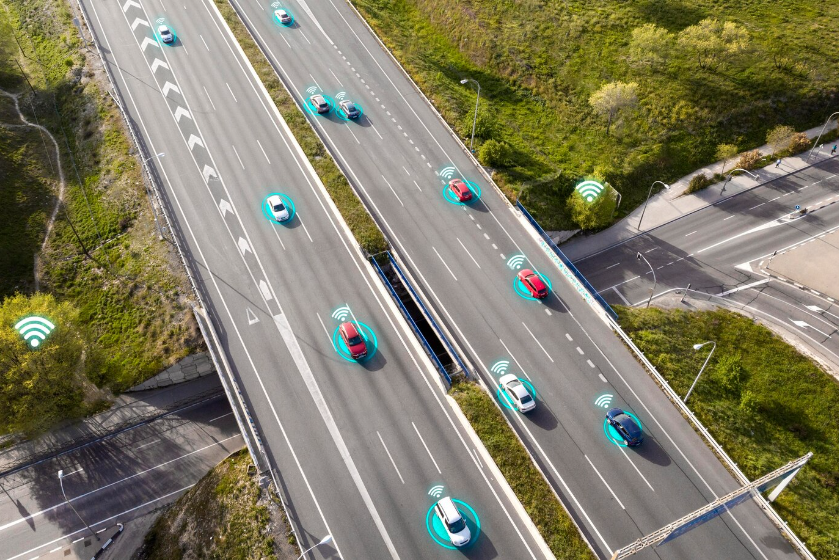
These gadgets are more versatile. They’re not just about pinpointing locations; they’re all about optimizing routes for fleets, keeping tabs on cargo security, ensuring everyone follows the rules, and even monitoring driving habits to keep things safe and sound. Whether you’re a small business owner looking to streamline your delivery process or a large corporation aiming to maximize fleet efficiency, a vehicle GPS tracking device is a must-have tool for logistics management. And with customizable installation options to suit your unique needs, getting started with one of these devices is easier than ever. The benefits of integrating a vehicle GPS tracking device into your operations are endless, from improving fuel efficiency to reducing maintenance costs.
How to Install a Vehicle GPS Tracking Device?
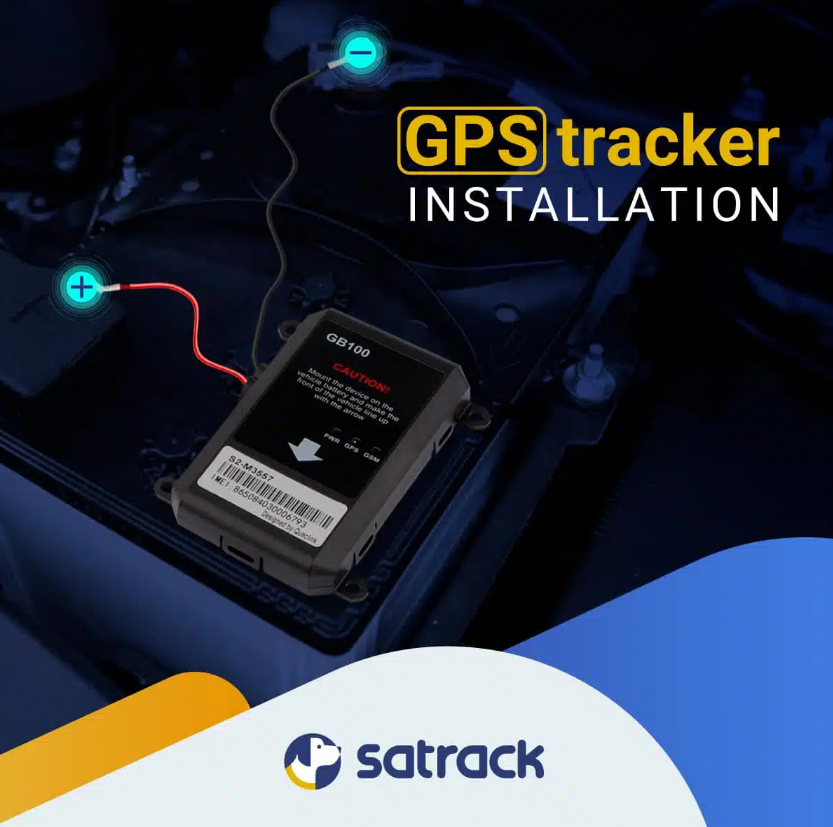
Installing a GPS Tracking Device is usually a breeze. You can hook it up to your car’s OBD-II (link: https://satrack.com/us/product/gps-tracking-gv500/) port, plug it into a power source, or let it run on its own battery. Additionally, at Satrack GPS Tracking, we offer a range of devices like the GB130 (Link: https://satrack.com/us/product/gps-tracking-gb100mg/), which connects directly to the positive and negative terminals of the battery, providing even more options for seamless installation. With our expert guidance and support, you can ensure that everything fits perfectly and operates flawlessly, maximizing your vehicle’s GPS tracking device’s benefits. Every setup is unique, so we’re committed to providing tailored solutions to meet your needs. With Satrack GPS Tracking, you’re not just getting a device but a partner in optimizing your fleet management and enhancing your overall efficiency and safety.
Conclusion:
Leading the Way in Fleet Management Technology
Satrack GPS Tracking leads the charge in using these devices to the fullest. Businesses can schedule a demo with Satrack to see firsthand how this tech can supercharge their fleet management game, ensuring every vehicle’s GPS tracking device works overtime for top-notch efficiency and safety. With innovative solutions and personalized support, Satrack is your partner in navigating the road to success.
In the ever-evolving construction landscape, it is imperative to stay ahead with the latest technologies that can enhance operational efficiency. One such breakthrough is GPS tracking in construction, a game changer that offers impressive benefits and boosts productivity.
The Power of GPS Tracking in Construction
GPS tracking in construction has revolutionized the way construction businesses operate. This technology’s core advantage lies in its ability to provide real-time location tracking of every machinery and equipment on site. With immediate access to this information, construction companies can better manage their resources, ensuring that no equipment is misplaced or underutilized.
Real-Time Location and Alerts
GPS tracking systems, such as those offered by Satrack GPS Tracking, allow construction companies to monitor their equipment’s exact location at any given time. This feature proves exceptionally beneficial in preventing theft and unauthorized movement of machinery during specific hours. If a piece of equipment moves when it isn’t supposed to, the system triggers an alert, allowing for immediate action.
Detailed Machinery Usage Hours
Another notable benefit of GPS tracking systems is the ability to accurately record machinery usage hours. By monitoring when and for how long each piece of equipment is used, companies can optimize their machinery’s use and minimize unnecessary wear and tear. This feature also aids in devising efficient schedules, ensuring each machine is utilized to its maximum potential.
Unauthorized Movement Alerts
Another noteworthy aspect of GPS tracking is the ability to set alerts for unauthorized movement during specific hours. This feature helps prevent theft and misuse of your equipment, ensuring that they are only used for their intended purpose.
While the benefits of GPS tracking in construction are clear, not all GPS tracking systems are created equal. Satrack GPS Tracking stands out in the crowd by offering features tailored to the construction sector, personalized attention, and affordable pricing.
Satrack GPS Tracking: Your Partner in Construction Management
When it comes to delivering top-notch GPS tracking solutions tailored to the construction industry, Satrack GPS Tracking stands out. Our services are designed to cater to the unique needs of the sector, offering personalized attention, setting up alerts and reports, and suggesting features most beneficial for your operation.
Affordable Solutions Tailored to Your Needs
In addition to superior service, Satrack GPS Tracking also prides itself on its affordability. We believe that high-quality GPS tracking services should not come with a hefty price tag. Hence, we offer competitive pricing without compromising on features or functionality.
Personalized Attention for Optimal Utilization
At Satrack GPS Tracking, we go beyond just selling GPS devices. We provide assistance in setting up alerts and reports, ensuring you can make the most out of your GPS tracking system. Our team is committed to providing you with the best possible service, tailored to your specific needs.
In conclusion
GPS tracking offers immense benefits for the construction industry, from improved efficiency and security to detailed usage reports. And with Satrack GPS Tracking’s personalized, affordable, and sector-specific services, managing your construction operations has never been more effortless. Trust Satrack GPS Tracking, and experience the difference.
Frequently Asked Questions (FAQ)
1. What is a Geo-fence and why is it important a GPS tracking in construction?
A Geo-fence is a virtual boundary or perimeter for a real-world geographic area. In the context of a GPS tracker for construction equipment, it’s a feature that allows you to establish designated areas for your equipment. When your equipment enters or leaves these predefined zones, the tracker triggers an alert. This is especially important for safety and efficiency, allowing you to more closely monitor the movement of your assets and ensure they operate within their expected locations. This function is crucial for preventing unauthorized use or theft of your valuable assets.
2. How much does a GPS tracking in construction cost?
The cost of a GPS tracker for construction equipment can vary depending on the specific model and features you choose. Generally, the price range for the device itself typically falls between $56.00 and $99.90. In addition to the device, there’s also a monthly plan, which ranges from $13.99 to $19.99. This plan includes access to the tracking service and all the additional features it offers. It’s important to take both costs into account when budgeting for a GPS tracker for construction equipment.
3. What network does the Satrack construction equipment GPS tracker use?
Our construction equipment GPS tracker operates using the coverage of Verizon, AT&T, and T-Mobile networks in the United States.
4. What types of equipment are suitable for Satrack’s GPS tracker?
Our GPS device can be implemented on a wide variety of equipment, including heavy machinery, trailers, garbage containers, trucks, and vans.