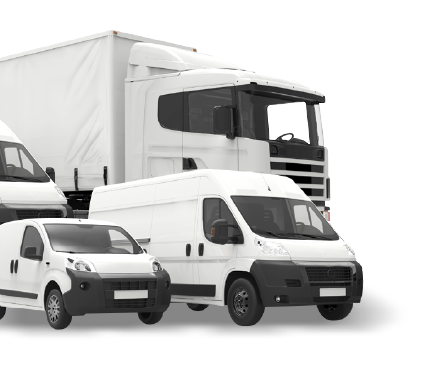
Field service companies: HVAC, plumbing, electrical, security, roofing, pest control, and landscaping, run on one simple truth: the business only earns when a technician reaches the right job with the right information. When vehicles are scattered across a city and schedules shift by the hour, guessing where your team is becomes expensive fast. Field service fleet tracking replaces that guesswork with a live, accurate picture of every vehicle and every route, so dispatchers, managers, and customers all know what is happening in real time.
Satrack brings that visibility together with two things field service operations rarely get in one place: open API integration and real human support. The result is technology you can plug into the tools you already use, backed by people who help you get value from it.
Why Field Service Operations Depend on Real-Time GPS Tracking
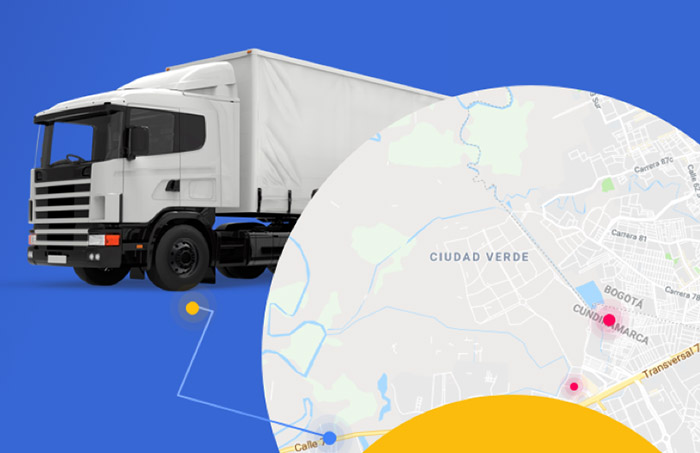
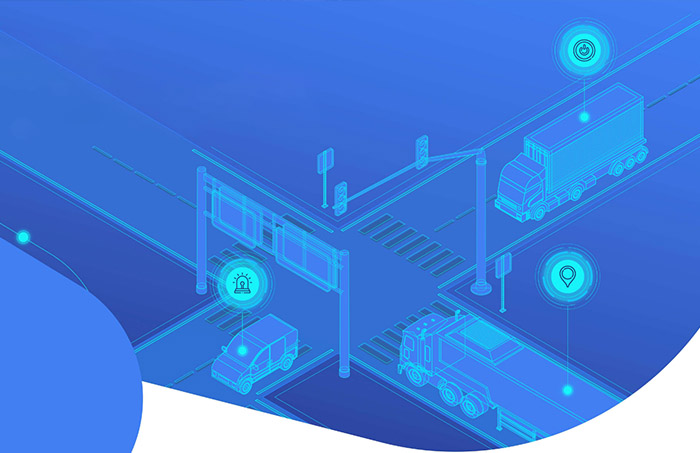
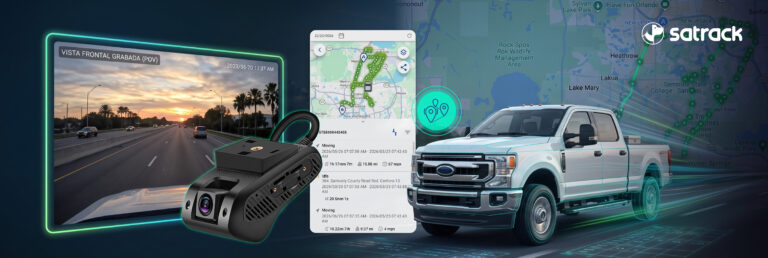
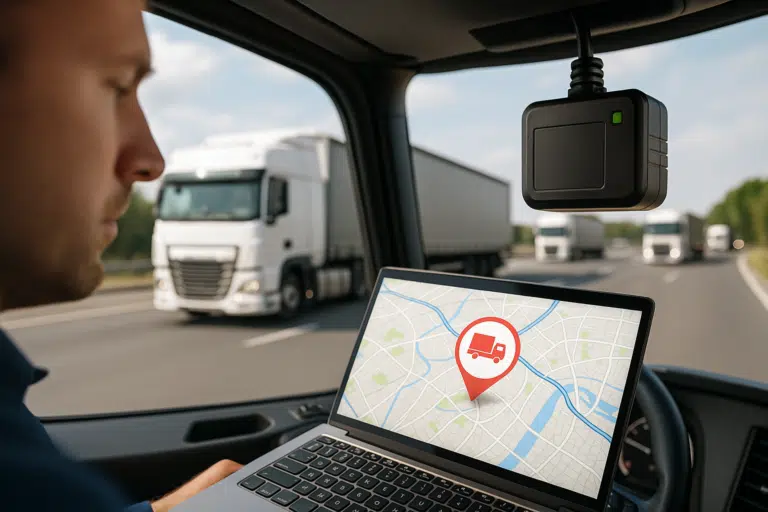
Real-time GPS tracking shows the live location, status, and route of every service vehicle on a single map. For field service teams, that visibility is the difference between reactive scheduling and proactive dispatch. When an urgent call comes in, you can send the closest available technician instead of the next name on a list. When a customer asks for an arrival window, you can give an honest one based on where the van actually is.
Beyond dispatch, location and driving data help you understand how the workday is really spent: time on site, time in transit, idling, and unexpected detours. Over time, that visibility supports fairer routing, safer driving habits, and cleaner records of when a technician arrived and left a job.
API Integration: Connect Satrack to the Software You Already Use
Most field service companies do not run their business inside a tracking app. They live in field service management (FSM) software, dispatch boards, CRMs, and billing systems. Satrack’s API integration lets location and vehicle data flow into those systems instead of sitting in a silo.
With an open API, a developer or software partner can pull real-time positions, trip history, and vehicle events into your existing workflow. That means a work order can show the technician’s live location, a completed visit can be time-stamped automatically, and dispatch decisions can happen inside the tool your team already knows. Integration removes double entry and turns tracking from a separate screen into part of how the whole operation runs.
Human Service: Real Support Behind the Technology
Powerful software is only useful if someone helps you set it up and keep it running. Satrack pairs its platform with real human service: people you can reach to plan an installation, connect the API, interpret the data, and solve problems when they come up.
For a field service operation, that human layer matters. Onboarding a fleet, mapping your workflows, and tuning alerts are not one-click tasks — they benefit from someone who understands both the technology and how service businesses work. Automation handles the routine; human support handles the judgment calls. Together they help you adopt tracking quickly and keep getting value from it long after go-live.
Turning Field Data into Faster, Smarter Service
Location data becomes valuable when it drives decisions. With Satrack, field service managers can shorten response times by dispatching the nearest technician, reduce unnecessary mileage through better routing, and give customers accurate arrival windows that build trust. Historical trip and vehicle data also supports clearer job records, maintenance planning, and honest conversations about performance.
Because the data connects through the API, these gains show up where work already happens, in the FSM tool, the dispatch board, or the report your manager reviews each morning, rather than in yet another app to check.
Getting Started with Satrack
Getting started is a conversation, not a leap. A Satrack specialist can review how your field service operation runs today, recommend the right devices and plan, and map how the API should connect to your existing software. From there, human support stays with you through installation, integration, and the first weeks of daily use, so tracking becomes a working part of your operation, not a project that stalls.
If your service business depends on getting the right technician to the right place, field service fleet tracking with Satrack, combined with open API integration and real human support, gives you the visibility and the help to do it consistently.
FAQs
What is field service fleet tracking?
Field service fleet tracking is the use of GPS and telematics to monitor the real-time location, routes, and status of service vehicles. It helps field service companies dispatch the nearest technician, give customers accurate arrival windows, and keep accurate records of each job.
How does Satrack’s API integration work?
Satrack offers an open API that lets your developer or software partner pull real-time locations, trip history, and vehicle events into the tools you already use — such as your field service management (FSM) software, CRM, or dispatch board — so tracking data lives inside your existing workflow.
Can I connect Satrack to my field service management software?
Yes. Through the Satrack API, vehicle and location data can be integrated with most field service management, dispatch, and billing systems, which removes double data entry and lets you manage work from one place.
What does “human service” mean at Satrack?
It means real people support your tracking setup — not just automated tools. Satrack’s team helps you plan installation, connect the API, interpret your data, and resolve issues, so you get value from the platform faster.
Is GPS tracking useful for small field service businesses?
Yes. Even a few service vehicles benefit from real-time tracking: faster dispatch, better routing, accurate arrival times for customers, and clearer job records. Satrack’s plans and human support are designed to fit operations of different sizes.
Does real-time tracking improve dispatch and response times?
It can. Seeing every vehicle live lets dispatchers assign the closest available technician to urgent jobs, reduce unnecessary travel, and respond faster than when working from a static schedule.